Insight / Product design
Published
Physical product design begins after the sketch
A practical look at materials, ergonomics, production, supply and care when turning a physical product idea into something people can use.
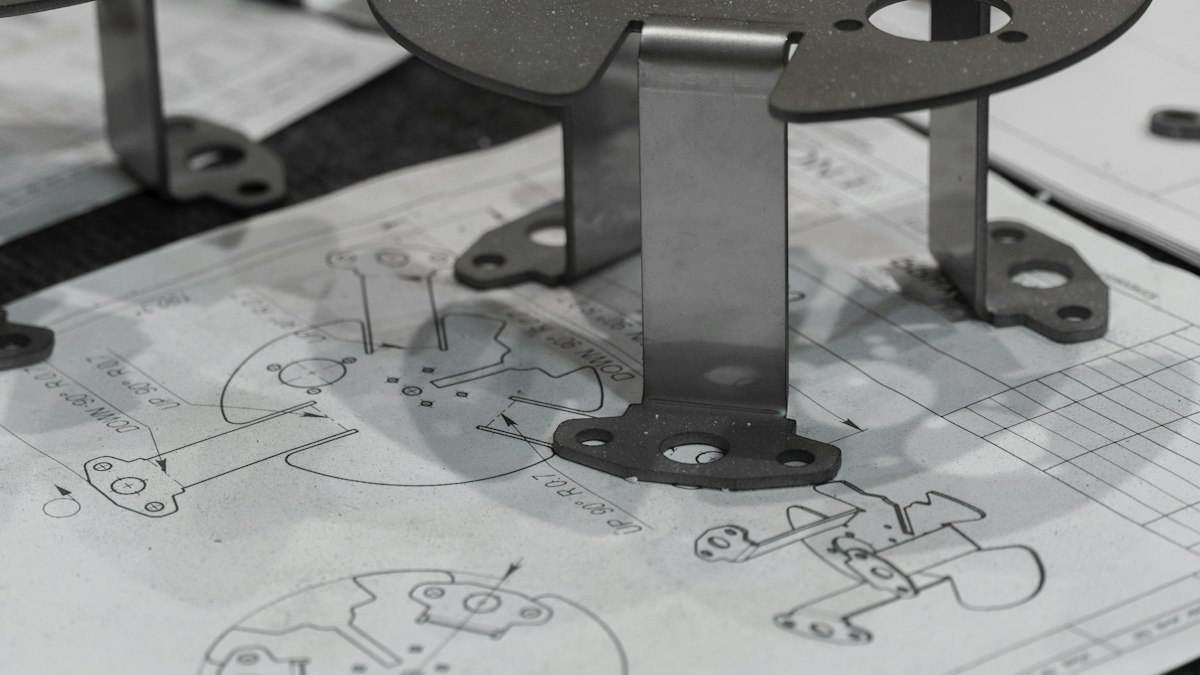
A convincing rendering can make a product feel finished long before anyone has held it. Physical design becomes more demanding when a person needs to pick the object up, use it repeatedly, clean it, store it and eventually repair or replace it. These ordinary moments should shape the design from the beginning.
Start with the conditions of use
Describe the job the product must do and the place where it will do it. A kitchen tool may meet wet hands, crowded drawers and hurried use. A piece of equipment used at a venue may have several users in a day, each with different reach, strength and familiarity. A prototype tested quietly on a desk can miss all of that.
Observe people using a rough version in a realistic setting. Look for where they change grip, pause, ask for help or improvise. Ask what happens when someone uses their other hand, has limited dexterity or cannot rely on small printed instructions. Ergonomics is more than a comfortable shape: it includes force, balance, visibility and the steps required to use the product safely.
Let materials earn their place
Material choices affect weight, texture, durability, cleaning, cost and the way a product ages. The most attractive finish in a photograph may scratch in daily use. A lighter material may be easier to carry but less suitable for a part that takes repeated force. Compare samples under the conditions customers will actually encounter, then record why each choice was made.
The same applies to packaging. It protects the product, explains what arrives and helps someone handle it before first use. Excess packaging adds cost and waste; too little protection may lead to damage and replacement. Test the full journey from packing and shipping to opening and disposal rather than treating the box as a final graphic task.
Design for a production run, not one perfect prototype
A hand-finished prototype can hide difficult assembly steps or tolerances that are hard to repeat. Before committing to tooling or a larger order, ask a maker or supplier how each part will be produced, joined and checked. Work out which dimensions are critical, what counts as an acceptable variation and how faults will be found before delivery.
Supply matters to the design itself. If a specific component becomes unavailable, can another meet the same function without changing the product’s fit or safety? If a small batch sells out, how long will the next one take? A realistic unit cost should include materials, labour, rejects, packaging, freight, storage, support and returns. The design may need to change once those figures are visible.
Plan the experience after purchase
The first use is only the start. People need to know how to maintain an object, obtain a replacement part and report a fault. A fastener that can be opened with an ordinary tool might make a future repair possible; a sealed assembly may make it harder. That trade-off should be deliberate and tested against durability and safety needs.
For a hypothetical reusable household product, we would test how it feels after the tenth use, how it dries after cleaning, where it lives between uses and what happens when one small part wears out. Those observations may be more valuable than another round of surface styling. A useful product makes sense in someone’s life and in the operation needed to keep supplying it.
For a wider view of touch, place and ownership, see why physical products and experiences matter. Our services show how product discovery, a tangible first version and delivery planning can connect.