Insight / Product design
Published
The useful paradoxes in digital and physical product design
Explore the tensions between speed and durability, simplicity and complexity, and choice and constraint when designing products people rely on.
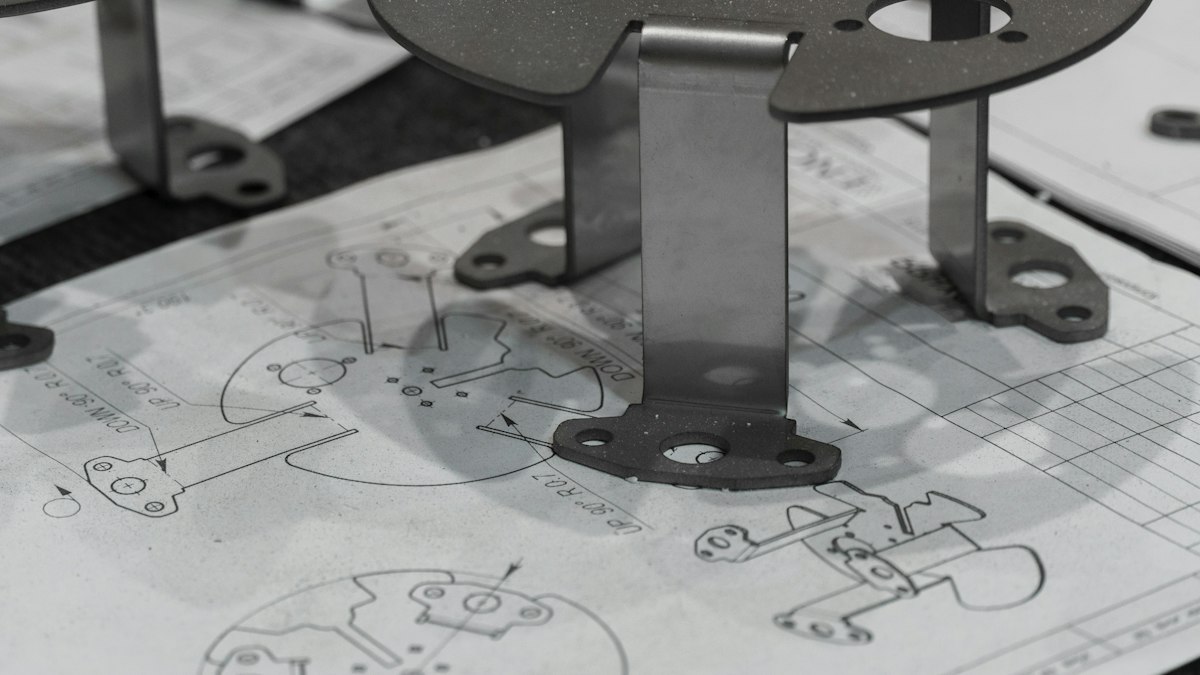
Product decisions often sound contradictory because two good aims compete. Make the first version fast, but make it dependable. Offer flexibility, but keep it simple. Build something people can keep, but leave room to improve it. These are design tensions to manage, not puzzles with one permanent answer.
Move quickly, then live with the result
Digital teams can change a screen or workflow after release. That speed is valuable when evidence shows a clearer path. Yet each change can disrupt a person’s habits, require training or alter data that other systems use. The code may be easy to edit while the consequences are slow to unwind.
Physical products have a different rhythm. A team can change a prototype quickly, but a production run fixes materials, tooling and instructions in objects already in people’s hands. That slower commitment can force useful discipline: test the central job, tolerances and maintenance before producing many units. In both formats, speed helps most when the team knows which decision it is trying to learn from.
Simplicity moves work somewhere
A single “confirm” button can make a digital task look effortless. Behind it may sit identity checks, availability, payment, notifications and exception handling. If the system hides all uncertainty, a person may be left confused when confirmation does not arrive. Sometimes the simple experience is a clear two-step flow with honest feedback.
The physical equivalent is an object with few visible parts. It may be elegant to use but difficult to repair if everything is sealed together. A replaceable component adds a seam and perhaps an instruction, yet may reduce waste and extend useful life. Simplicity should be judged by the work required across use, upkeep and support, not by the number of visible elements.
Flexibility needs constraints
Software can offer settings for almost anything. That can help different people, but each setting introduces a new state to understand and support. A physical product can offer adjustable parts, but more adjustment can add weight, cost or failure points. Constraints can make a product easier to learn and more reliable when they protect the main task.
Imagine a shared workspace that lends equipment. A mobile app could let every customer customise a pickup. Staff would then need to manage a growing set of exceptions. A smaller set of pickup windows might give customers enough choice while keeping handover dependable. The right degree of flexibility comes from observing where people genuinely need it.
Connect the two without making either dependent by accident
A digital layer can help someone discover, configure or care for a physical product. A QR code might lead to setup instructions that can be updated after packaging is printed. But if essential instructions exist only behind a link, a flat battery or unavailable network can turn a useful object into a problem. The physical and digital parts should each carry the responsibilities they can perform reliably.
The reverse is true too. A digital booking experience may promise an immediate place, while the venue has limited staff or equipment. The interface needs to reflect physical capacity, and the operating team needs a way to correct the record when reality changes.
A decision frame for the next trade-off
When two aims compete, name the person and moment that matter most. Then ask: what must work on a bad day? What can be changed after release, and what becomes costly to change? Who absorbs the extra work created by the simpler option? What small test would show whether the compromise works?
Use those answers to choose a first version, document what it gives up and decide when to revisit it. The software and physical product comparison sets out their different operating models; the hybrid experience guide explores how they can work together.